

How I Decode Structural Beam Types—And Why It Matters
When I first started in metallurgy, I watched a project stall for weeks because the team couldn’t agree…
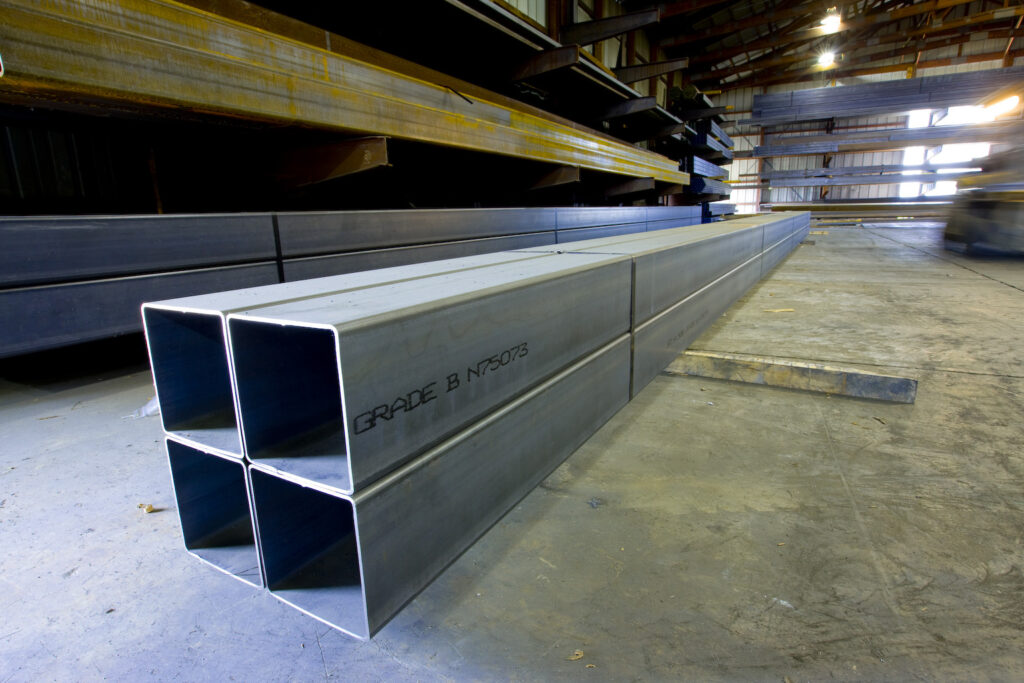
The Hidden Risks in Metal Tubing Specifications—And How to Avoid Them
Early in my career, a client’s hydraulic system failed because their metal tubing specifications listed wall thickness as…
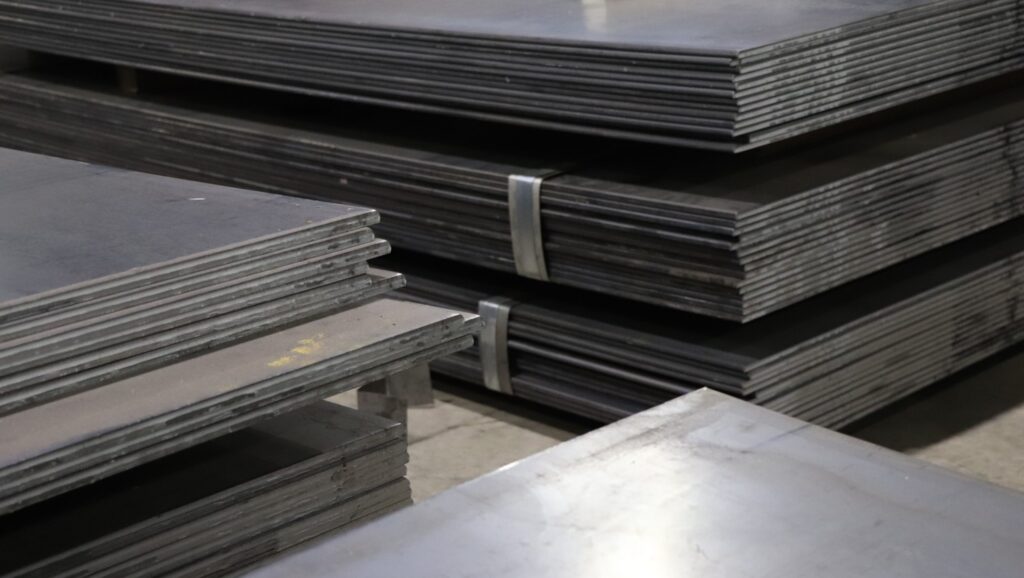
Why Steel Bar Formats Matter Beyond Just Thickness
I’ll never forget the shipbuilder who ordered 1-inch steel plate for a barge hull, only to watch it…
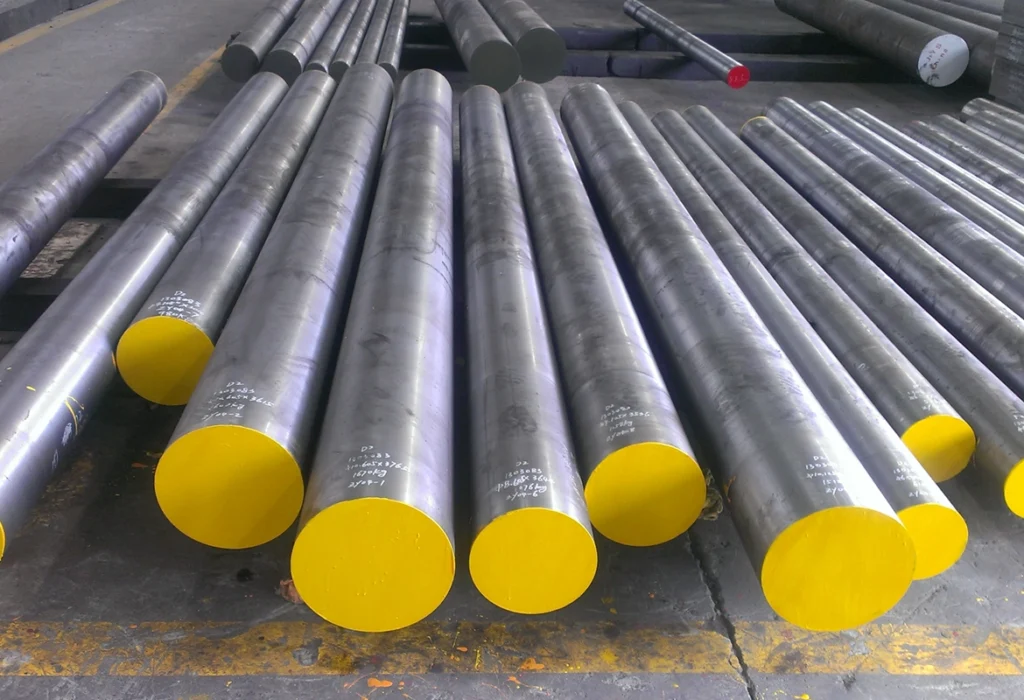
Understanding Alloy Steel Characteristics: Smart Investments vs. Unnecessary Costs
A client once asked me why their gear shafts kept failing, despite using 4140 alloy steel. The answer?…
What We Serve
Comprehensive Steel Profiles Database
Dive deep into steel channel profiles with interactive comparisons, load-bearing analyses, and real-world application case studies. Our database covers everything from lightweight C-channels to heavy-duty I-beams, ensuring you find the perfect match for your structural needs.
Technical Specifications & Standards Library
Access up-to-date construction steel standards (ASTM, EN, JIS) with side-by-side comparisons, chemical compositions, and mechanical property breakdowns. We translate complex standards into clear, actionable insights—so you never second-guess your material choices.
Industry-Specific Application Guides
From automotive frames to offshore platforms, our guides detail how steel bar formats and custom alloys perform in extreme conditions. Learn which grades excel in corrosion resistance, high-temperature environments, or dynamic load scenarios.
Custom Material Selection Tools
Input your project requirements (load, environment, budget) and let our algorithm recommend the optimal industrial metal grades for your needs. No more guesswork—just data-backed decisions.
Market Trends & Innovation Reports
Stay ahead with our quarterly reports on emerging alloy steel characteristics, sustainable manufacturing practices, and breakthroughs in metallurgy. We track global shifts—so you can focus on building the future.

FAQ
How do I choose between structural beam types for a high-rise project?
Start with load requirements and span length. Our comparison tool evaluates I-beams, H-beams, and wide-flange options based on your project’s weight distribution and seismic zone. I’d recommend running a simulation—our platform integrates with most CAD software.
What’s the difference between alloy steel characteristics and carbon steel?
Alloy steels contain elements like chromium, nickel, or molybdenum to enhance properties—corrosion resistance, toughness, or heat tolerance. Carbon steel is simpler but less versatile. For harsh environments, alloys are often worth the investment.
Are your metal tubing specifications compliant with European standards?
Absolutely. We cross-reference EN, DIN, and ISO standards for every tube grade. You’ll find compliance badges and test certificates attached to each specification sheet.
Can you help source materials for a project outside the US?
While we’re based in the US, our network spans global suppliers. Share your industrial metal grades requirements, and we’ll connect you with verified partners in your region—no markup, no middlemen.
How often do you update your construction steel standards database?
We sync with standard organizations monthly. Major revisions (like ASTM updates) trigger immediate reviews. You’ll see a “Last Verified” timestamp on every standard page.